Showing posts with label writing. Show all posts

Sunday, September 22, 2019

5x5 - September 2019

This month for the 5x5 swap on Swap-Bot, there were five questions to answer - each requiring five answers. Below are the questions and my answers.

Besides Swap-bot, what are 5 websites you visit most often?

- Flickr.com and my page on Flickr

- The Lions Club with which I'm involved.

- Pinterest and my account on Pinterest

- Library

- Facebook

Name 5 places you'd take someone from out of town.

One of the places I would take someone from out of town who was visiting Minnesota is Split Rock Lighthouse in Silver Bay, Minnesota. After being retired in 1969, the lighthouse became the focal point for Split Rock Lighthouse State Park; and is a National Historic Landmark.

Kayaking on July 12, 2014.

The visitor also would be able to see Lake Superior which is a huge lake. The lake is so big that it could contain all the other Great Lakes as well as three more lakes the size of Lake Erie.

Taken on April 15, 2011.

Another place I'd take someone is Lake Itasca. It is a small lake in comparison to Lake Superior. However, it is the headwaters of the Mississippi River and one of the most important natural locations in the state of Minnesota.

Taken on September 5, 2012.

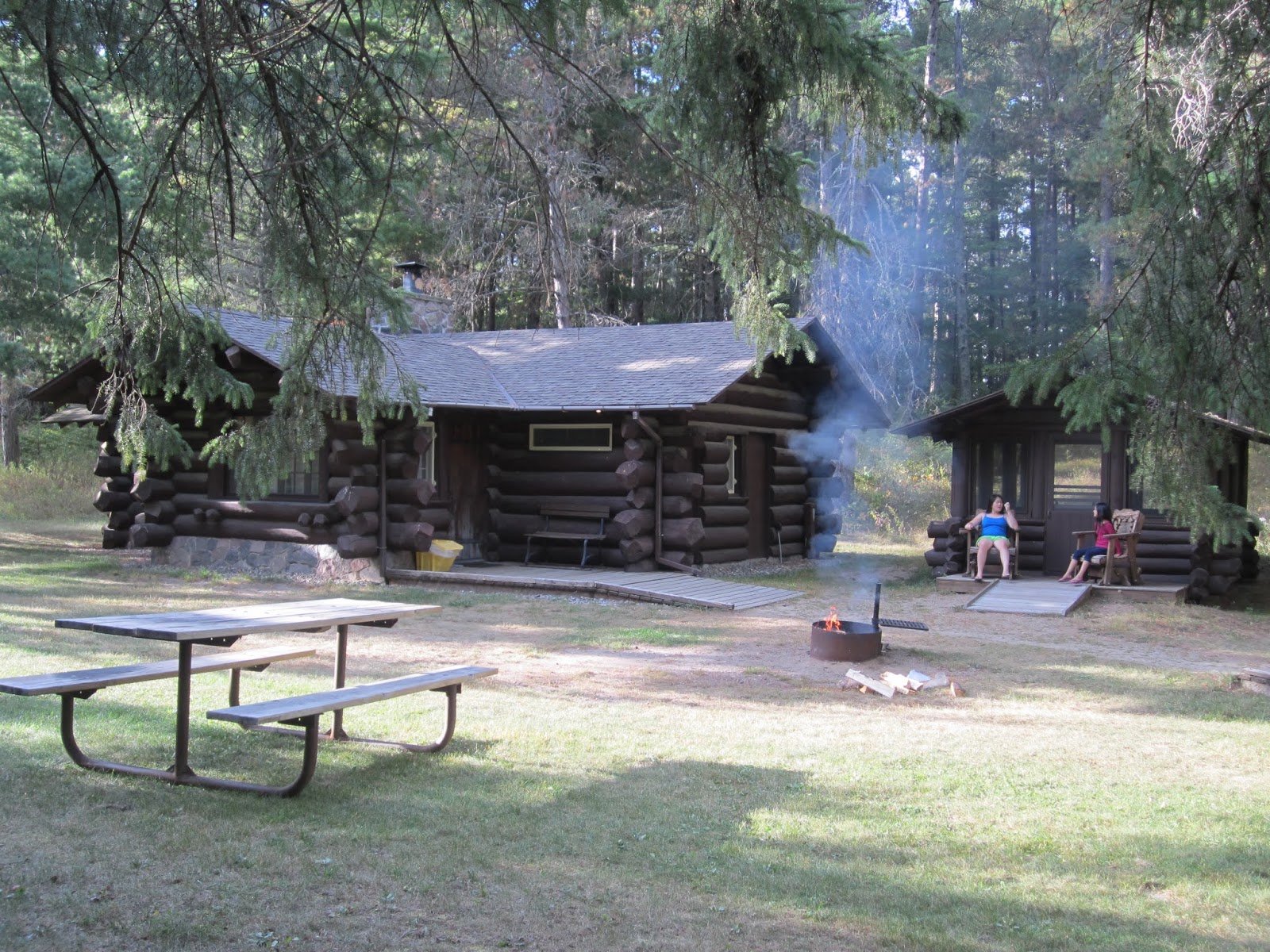
While seeing Lake Itasca, there is plenty to do and see in Itasca State Park, which is the oldest park in Minnesota. In addition to hiking, Sophia, Olivia, and I have enjoyed camping and relaxing at one of the historic cabins in Itasca State Park.

Taken on September 5, 2012.

While touring around the St. Paul area, I would take someone who is visiting from out of town to the Cathedral of Saint Paul which is a National Shrine of the Apostle Paul. A lot of people locally call it St. Paul’s Cathedral. It is one of the most beautiful buildings in the state.

The copper dome of the cathedral makes it one of the most recognizable cathedrals in the United States.


The building, which is an example of Beaux-Arts architecture, is comparable to the great cathedrals of Europe. The cathedral is listed as a landmark on the National Register of Historic Buildings. This is also the cathedral where my father was ordained as a Deacon in September 1990.


One of my favorite places in Minnesota is Grand Marais and the BWCA. I have taken many trips up north with the girls, alone, and once with my parents. It is one of the most beautiful places to visit in Minnesota.

Taken on June 5, 2013

Although a lot of people go up north for fishing and canoeing, we have mostly visited this area to hike and do photography.

Taken on June 6, 2013, at Honeymoon Point in Grand Marias 
along the Gunflint Trail.

We also have had fun boating...


Taken on June 4, 2013.

kayaking...

Taken on June 5, 2013.

and horseback riding.

Taken on July 10, 2014.

There are deer, wolves, Canada lynx, bobcats, moose, fox, and black bears that live in the BWCA. One year when we were staying off the Gunflint Trail, we had a young black bear who visited us while we were having dinner. We heard some clamoring going on outside the door of the home we were staying in. The bear had gone through the garbage; and had walked up the steps to another area of the yard.

Taken on July 9, 2014.

A final place I would take visitors to is the Taylors Falls area where Interstate State Park is located. There are large rock formations throughout the park and along the St. Croix River (which separates Minnesota and Wisconsin).


Taken on May 25, 2013. 

The formations and deep potholes (25+ feet or more deep) were made by a combination of lava and glacial movement. This rock, pictured below, was one that the park ranger showed us as an example of how rocks could be smoothed through this process.


Name 5 books you've read or would like to read.

I went through my Goodreads account which has a list of books I want to read and books I have read. There are still quite a few books on my list that I would like to read. So, I ordered five books from the library on September 13th:

The Bluebird Effect: Uncommon Bonds with Common Birds by Julie Zickefoose
The Chimps of Fauna Sanctuary: A True Story of Resilience and Recovery by Andrew Westoll
The Christmas List by Pete Nelson
Every Day Is a Holiday by George Mahood
The First Phone Call from Heaven by Mitch Albom

Some of the books the local library has on its shelves. Others need to be ordered from libraries throughout Minnesota. I'm excited to read these books over the next month or so.

Name 5 teachers you've had over the years.

Adama Sow - my pottery teacher who I've been learning from since August 2018. He has taught me how to make bowls and mugs on the pottery wheel; and given me guidance when I've needed it with hand-building.

Glazing leaves I found and pressed into clay on September 12, 2019.
I glazed each of the leaves a different color to see 
which ones showed the veins of the leaves the best.

Chaiki O'Brien - who teaches SAORI weaving. I've taken multiple classes from Chaiki which I've enjoyed. She is a patient and encouraging teacher.

SAORI weaving I did on May 12, 2018.

Eileen Gavin - my all-time favorite professor when I went to college. She understood that not all students are good test-takers and created alternative ways to test students' knowledge.

She gave me the opportunity to show my knowledge through my strength at the time: research papers. These were much more meaningful for me and I was able to share what I had learned through writing rather than showing what I could memorize.

Jonis Agee - a creative writing professor who I had in college. She pushed me to explore different forms of creative expression including short stories and poetry. I knew I had done a good job with one of my creative writing stories when I had many of the students crying. It showed me the power of words; and how they can take someone to another place and time in their imagination by listening to a story.

Sr. Eleanor Lincoln - one of my English professors in college. She told me when I was a freshman that my writing was not college-level writing and that I needed to use the Writing Center. Reluctantly, I went so I could learn to write and express what I was learning.

By junior year, I was an student-instructor in the Writing Center and writing for the school paper; and by senior year, I did an independent study with St. Eleanor about Shakespeare. My final project was a research paper on which I earned an "A." My writing, she said, "had greatly improved" during my college years.

I am so grateful for her honesty and encouragement during my freshman year. Because of her, much of my professional career was related to writing. I wrote countless proposals seeking funding for non-profit organizations in North Carolina, California, and Minnesota.


I was able to start my own non-profit because I was able to secure funding.


Through all these organizations, artists, educators, composers, high school students, and children all were served.  


List 5 words that start with the same letter as your First Name.

Alpaca

Taken on May 17, 2007.

Archeology

 Taken on June 9, 2012.

Autumn

Olivia raking leaves on October 14, 2007. 
She was 4 years old.

Artistic

Sculpture at Frank Lloyd Wright's Taliesen West. 
Taken on July 7, 2017.

Accident


Looking at an x-ray of my neck injury after a car accident in November 2018 
with my chiropractor. Taken on December 7, 2018.

Saturday, February 2, 2019

How to Write a Winning Scholarship Essay - Review

I read the book How to Write a Winning Scholarship Essay by Gen and Kelly Tanabe since Sophia is in the process of applying for scholarships as she prepares to head to college in Fall 2019.

There were many examples of strong essays and interview questions. However, they are unique to the person who wrote them, so they aren't things to write down to remember.

There were some tips that I thought would be helpful or general insight that I found interesting:

- Check out The Ultimate Scholarship Book that has scholarships based on field of study, ethnicity, hobbies, talents, etc.
- Sell the scholarship committee on the things that you have done outside the academic area.
- Find a unique topic - what point of view of life experience can you share that is unique?
- What's the underlying question. For example, "Why do you want to study business?" means "Why do you want to study business, and why are you the best future business person we should gift with our hard-earned money?"
- Be passionate about what you've done.
- Give specific examples - not just general statements.
- Expand on your accomplishments. Give details about what was actually involved with the role you did.
- Show positive energy. If you are writing about a problem, present some solutions.
- Even if it takes a long time to fill out applications and write essays, think of it as being paid $500 an hour if you win.
- Use your essay to craft a story showing why you are a unique candidate. Include personal experiences, lessons learned, and how you are trying to improve yourself.
- Give specific examples of leadership, special talents, obstacles, or community service.
- Make sure the essay fits into the values that the foundation/business cares about.
- Go deeper and beyond what is in your application.
- Paint a picture of yourself (briefly), and then explain where you're going and how you're going to get there.
- When talking about leadership, focus on the specifics of what you did in a particular role (e.g, writing an article for the paper, soliciting donations, overseeing volunteers, contacting people).

Sunday, July 22, 2018

Kind Words for Youth

As I'm going through my teaching files, I came across a "Dear Abby" column that I clipped. I had intended to use it during one of the Create & Cultivate Art Camps that I offered here at the farm in the late 1990s and early 2000s.


I would still like to see this idea done...though I'm not sure where or how now that I'm no longer doing the camps or leading a 4-H club. Regardless, it is worth keeping in mind for some opportunity that may present itself in the future.

This is the column:

Dear Abby: I have been retired from teaching for many years, and would like to share a lesson I learned that stands out in my memory like no other:

I was young and teaching math at the junior high school level. We had worked hard on a new concept all week, and the students were very stressed. They were frowning, frustrated and carping at each other and me. Wanting to stop the crankiness before it got out of hand, I asked the students to take out two sheets of paper, and list the names of the other students in the room, leaving a space between each name.

Then I told them to think of the nicest thing they could say about each of their classmates, and write it down. It took the remainder of the class period to finish the assignment. When the students handed me the papers and left, they seemed more relaxed.


That weekend, I wrote the name of each student on a separate sheet of paper and listed what the students had said about that individual. On Monday, I gave each student his or her list. Before long, everyone was smiling. "Really?" I heard one whisper. "I never knew that meant anything to anyone." "I didn't know anyone liked me that much!"

The assignment was never mentioned again, but it didn't matter, because the exercise had accomplished its purpose. The students felt better about themselves and each other.

Years later, I was asked to attend the funeral of one of those students, a promising young man even when I taught him in junior high school. I was deeply saddened by his untimely death in Vietnam.

The church was packed with "Mark's" friends, many of whom had been his classmates and students of mine. After the funeral, I and many of Mark's former classmates were invited to his parents' house. They approached me and said, "We want to show you something. Mark was carrying this when he was killed."

His father pulled something from a wallet. It was the list of all the good things Mark's classmates had said about him. "Thank you so much for doing that," Mark's mother said. "As you can see, Mark treasured it."

A group of Mark's classmates overheard the exchange. One smiled sheepishly and said, "I still have my list. It's in my top desk drawer at home." Another said, "I have mine, too. It's in my diary." "I put mine in our wedding album," said a third. "I bet we all saved them," said a fourth. "I carry mine with me at all times. I think we all saved our lists!"


That's when I finally sat down and cried. The lesson my former students taught me that day became a standard in every class I taught for the rest of my teaching career.

-- Sister H.P.M., St. Paul, Minnesota

Dear Sister H.P.M..: Your students were fortunate, indeed. They learned at an early age that "Good words are worth much, and cost little." (George Herbert, 1593-1633)

Tuesday, June 26, 2018

Spiritual Practices A to Z: Joy

In 2015, I began "Spiritual Practices from A to Z" in which I explored for two weeks a different spiritual practice. I made it from A to H (January through April) and then stopped.

I began working with Olivia on the Washington County Barn Quilt Trail along with having more projects with 4-H and homeschooling Sophia and Olivia.

Then my mother died in August 2015; and my sister, brother, and I had to go through the home and possessions that belonged to she and my father (who died in January 2012). Between dividing them among ourselves, donating a lot, and inevitably having to throw a lot away - that was my focus from mid-August 2015 to February 2016.

So, I picked off where I left off and did one more spiritual practice: Imagination in February 2016. I didn't do anything beyond that.

So, now I'm picking up where I left off: with the spiritual practice of Joy. The ideas come from the website Spirituality and Practice. I've noted what I've done and what I would liked to do below.

Spiritual Practices:Joy
Enhances: Happiness
Balances/Counters: Sadness, Sorrow

The Basic Practice

Joy is an essential spiritual practice growing out of faith, grace, gratitude, hope, and love. It is the pure and simple delight in being alive. Joy is the elated response to feelings of happiness, experiences of pleasure, and awareness of abundance. It is also the deep satisfaction we know when we are able to serve others and be glad for their good fortune.

Invite joy into your life by staging celebrations. Host festivities to mark transitions and changes in your life. Toast moments of happiness you notice as you go through your day. Dance — jump for joy — as often as possible. Life is not meant to be endured; it is to be enjoyed.

One of my favorite photos representing joy is of Olivia on the swingset.
She has her head back laughing with pure joy. 
(Taken September 29, 2007.)

Why This Practice May Be For You

We often talk about this spiritual practice in the same breath with its companions. We say joy and sorrow, happiness and sadness, smiles and tears, the ecstasy and the agony. The experience of one intensifies our awareness of the other. Sorrow, for example, may be the price we pay for joy; when we have known great happiness in a relationship, we feel its loss more deeply. Or think of those times when you laugh so hard you cry.

Joy will usually be part of a set of symptoms presenting in your life. The best protocol is to be thankful for the intensity of these feelings. When you are experiencing sorrow and sadness, when the tears are flowing, remember they can be stepping stones to joy.

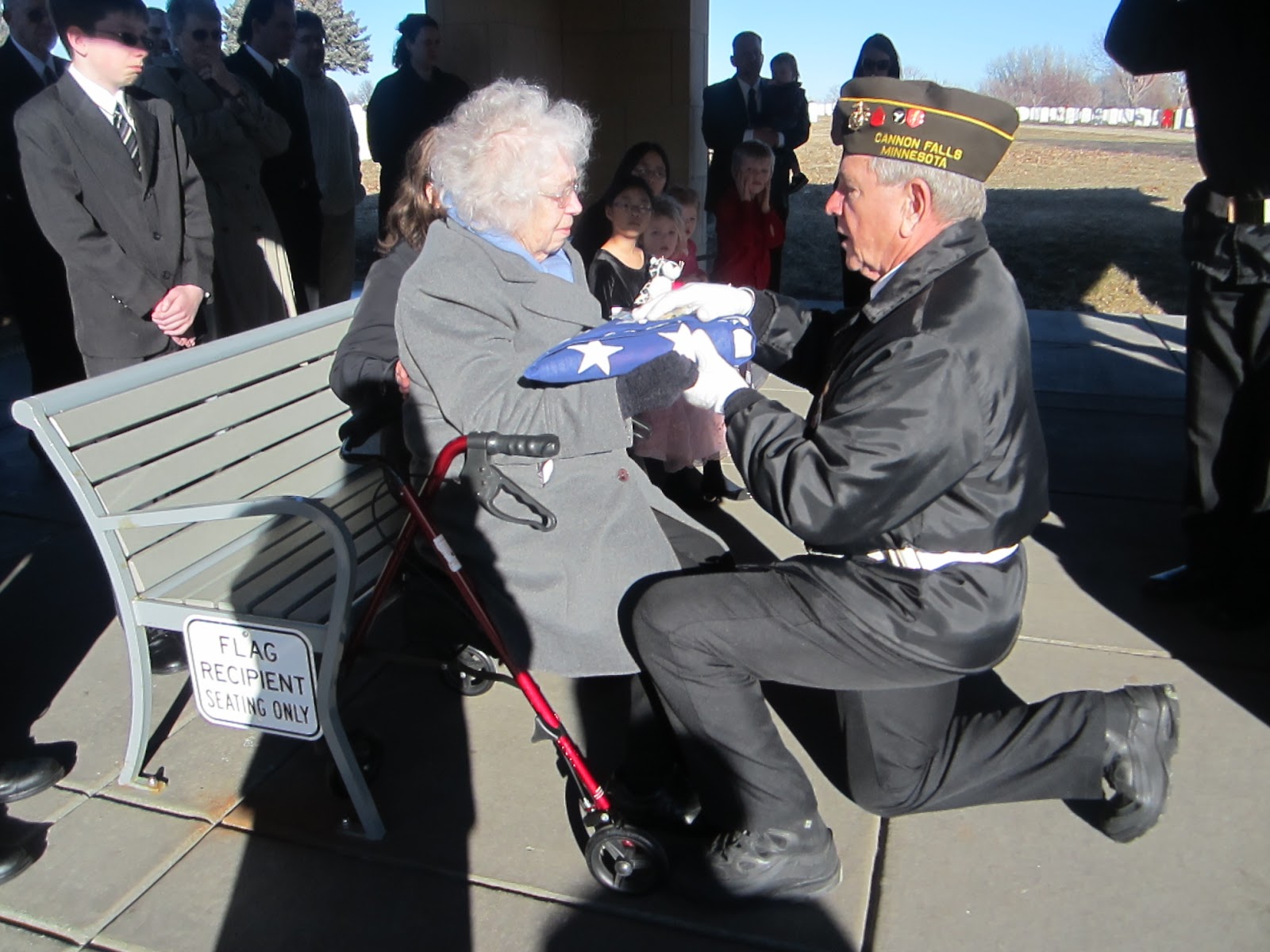
Top photo: Sorrow and sadness. Mom receiving the flag that covered Dad's casket.
Bottom photo: Mom and Dad together...joyfully celebrating Mom's 80th birthday 
after a delicious lunch at a Chinese restaurant.

Quotes

To find joy in another's joy
that is the secret of happiness.
— George Bernanos quoted in Joy by Beverly Elaine Eanes

A life of joy is not in seeking happiness.
But in experiencing and simply being
the circumstances of our life as they are.
— Charlotte Joko Beck quoted in Open Mind by Diane Mariechild

I have merged, like the bird, with the bright air,
And my thought flies to the place by the bo-tree.
Being, not doing, is my first joy.
— Theodore Roethke quoted in Finding Deep Joy by Robert Ellwood

Pelican we saw flying overhead at Lake Shetek State Park.
(Taken on June 9, 2012)

Books

I read Finding Deep Joy by Robert Elwood. Some things that I found interesting were:
- Joy lies hidden deep down at the heart of all things...dolphins, zebras, and ourselves.
- In some people and places it may be near the surface, in others deeply buried.
- Joy is not only your right, your heritage; joy is you at the deepest level....Yet so often we block deep joy. We get caught up in our routines, our little fears and goals. We merely skim the surface of little puddles of joy as we run by.
- After going through a great personal joy or sorrow...you come to a point where you just don't feel it so strongly anymore. You may even feel emotionally numb.
- Ways that others have experienced deep joy: when I am in nature and feel at one with a leaf or blade of grass; listening to the  birds or the laughter of my children; sitting outside and watching the sunset.
***Think aback over your life and record the moments when you have felt the most joy. Perhaps they have to do with the smell of autumn or the satisfaction of having helped someone. Consider keeping a journal for this purpose.***

I remember seeing these bleeding hearts in May,
not too long after the fire at our farm.
It brought such joy to see them blooming.
I needed to spend some time taking a close look at them, and 
noticing their form and color.

***Pain, disappointment, suffering, and death are realities in everyone's life. Think about your own greatest heartaches and hardships. What can you affirm of value beyond these painful experiences? What can you affirm of value in them? Whatever your present circumstances, list ten things for which you are grateful today.***
- Joy represents a state of equilibrium, one that is tension free.
- In spring, hundreds of flowers; in autumn, a harvest moon; in summer, a refreshing breeze; in winter, snow will accompany you. If useless things do not hang in your mind, any season is a good season for you. The Gateless Gate (Zen text)
- Find an image of your favorite saint. Look deeply into his or her eyes until you catch a little of that saint's joy - real sanctity is caught, not taught!
- What the joyous person has is a radiance, a smiling serenity accented by a twinkle. That person may be of any religion or none.
- You should abstain from harming others, falsehood, theft, and greed; you should observe purity, contentment, study, and religious devotion.
- When you set foot on the spiritual path to deep joy, you must give up all that is untrue to yourself and all that harms others, all that caters to the self-centered appetites of passions, and all forms of excess, while taking on a simple lifestyle, an even-tempered frame of mind, and emphasizing higher things.
- Live in a manner that is congruent with your spiritual practice.
- Your lifestyle and surroundings should be calming, tend toward joy, and foster a sense of living.
- Everything should support the deep unity of life. Work and leisure, friendships and family relations, spiritual and secular activities ought not be split off from each other with different values operative in each; rather, they should blend together as much as possible.
- If you want to find and keep joy, it helps to live in reasonable simplicity, neither in abject poverty nor choked with material goods.
- If you move toward simplicity - living in a clean and neat but unostentatious home, earning an honest living and spending within your means, eating wholesome food and keeping regular hours, you will set the physical conditions for joy.
- Cultivate creativity in your own way. If you enjoy cooking, prepare your wholesome food as creatively as possible. Ornament your house with art or furnishings made by yourself or your friends. Spend part of your free time writing or painting. It doesn't matter so much what you do, but find something creative that you like and feel good at, and spend time with it.

Scrambled egg bake in croissants 
that I baked for Easter 2018.

- Have a collection of books, tapes, and videos on topics consonant with your spiritual quest. Related pictures and symbols might be on the walls.
- You must not try to push anyone else in the household into a lifestyle they have not freely chosen. If they choose to live around different values, you must accept this cheerfully and not let it become a source of contention, just as they must accept your way. All this is part of the love and wise moderation of the path to joy.
- Bad things do happen to good people.
- We must make time to find deep joy no matter what. In times of great suffering, poverty, sorrow, or anxiety - above all, of sadness - it is even more important.
- No obligations imposed by troubles are so great that they preclude all recourse to deep joy, even if for only a few minutes saved for prayer or meditation.
- In real engagement with life, the seeds of joy are always there, for engagement means looking outward rather than toward the self.
- Live here and now, in the present moment. Remember that dep joy is now; pain is mostly past and future.
- Difficulties are opportunities. A stormy passage with another person, a parent, or spouse, may be a chance to build a new and deeper relationship based on better understanding. Or, if this relationship is genuinely hopeless...it may be an occasion for you to grow by realizing that you do not have to b e bound forever to a hopeless relationship. You can make the decision to take charge of your life, cut what chains have to be cut, and open yourself up to new relationships and new centers of meaning.
- The bad times can aid you in learning compassion.

Sophia playing the piano for a resident at the nursing home.
We began volunteering at the nursing home 
shortly after my dad died in January 2012.

- It is the nature of compassion and caring to do all that is humanly possible to  change the situation so that happiness rather than suffering is what is shared.
- We can look at life's ordeals as initiations moving us ahead, teaching us, opening us to wisdom and compassion, helping us explore unexplored worlds, inner and outer. Then we will engage life as it must be engaged, with joy.
*** Think about the major transitions in your life (adolescence, marriage, children, loss of a job, loss of a friend, loved one's death). At each stage, what part of you had to "die" in order for you to become a new person? Beyond the loss, what have you gained? Can you, in retrospect, see an opportunity in the ordeal that was not apparent at the time? Are you in a difficult transition now? If so, what might the opportunity be in it?

Looking at one of the many books that was 
lost in the fire at our farm on May 5, 2018.

I skimmed through Happiness - How to Find It and Keep It by Joan Duncan Oliver since I didn't have enough time to read it before it had to be returned to the library. Some key ideas that I liked:
- Express appreciation, love, and gratitude, even for simple things.
- True wealth isn't measured in assets or cash flower but in how abundant we feel.
- Make sure you're really living now so that later in your life you can say, "I regret nothing."
- Life is nothing but memory. We only know our experience in recollection. What we think, say, and do become the memories that make up our ongoing life story.
- Our life is frittered away by detail...simplify, simplify! (Henry David Thoreau)

Olivia and Sophia at the rest area overlooking Duluth.
Our floors were being redone because of 
water damage from the bathroom on the second level.
So, we got to take a family vacation together which insurance monies paid for 
since we had to be out of the house. 
How quickly these almost-ten years have gone.
(Taken on September 1, 2008.)

I read Jesus Laughed an Other Reflections on Being Human by Jean Maalaouf. Some points that I found interesting were:
- Jesus was fully human - he laughed; and was a radical and rebel.
- He was a catalysis.
- He practiced the art of letting go.
- He enjoyed life: he ate, rested, and celebrated with friends. He must have loved life. He lived with all his heart and out of his depth of being. He enjoyed all the things in life - even the smallest.
- He extended love to the poor, the rich, his friends, foreigners, strangers, "enemies"...to everyone.
- He wasn't well-connected. He didn't have wealth, fame, respect, or anything that the world finds impressive. He was simple and free.

Colorful edge of a quilt that was at a quilt show 
in St. Cloud in June 2018.
Looks like the shape of a cross in this photo.

Films

I've watched both of these films in the past and enjoyed both:

Patch Adams - an unconventional healer dares to raise up joy as a way of life. He demonstrates that often the best medicine for patients is laughter, love, compassion, and play.

Awakenings - a doctor and his patient discover the deep down joy of life when caring rather than curing is the main emphasis in treatment.

Music

One of the best ways to feel in your heart and soul the spiritual dimensions of joy is to listen to the finale of Beethoven's masterful Symphony No. 9, in D Minor, Op. 125. This choral piece is based on Schiller's poem "Ode to Joy."

This piece celebrates freedom by incorporating different musical elements — fugue, march, choral, and recitative — to create an unconventional whole. According to Spirituality and Practice website, "To ride wave after wave of this surging sound is to experience the exhilaration of true spiritual joy and freedom!"

I enjoyed listening to this piece one day, and it did, indeed, make me very happy as I listened to different parts of it. It's worth taking the time to listen to it...even if it is used as background music.

Art

An image of abundant joy is Henri Matisse's Dance. In the first, a girl leans backwards, arms outstretched, as if to embrace the moonlight around her; her blissful look conveys her surrendering to joy. And in Matisse's famous painting, according to Spirituality and Practice website, "...five female nudes dance in a circle on a green mound set into a rich blue sky. Hands joined and limbs fully stretched, they are exemplars of exuberant joy."


I'm not sure I'm seeing exuberant joy in this picture, but maybe others do.

Daily Cue, Reminder, Vow, Blessing

• Passing a smiling person on the street is my cue to practice joy.

• Knowing how much pleasure there is in making others happy, I vow to practice joy.

Practice of the Day

Laughter is the jam on the toast of life. It adds flavor, keeps it from being too dry, and makes it easier to swallow.
— Diane Johnson quoted in Zen Soup by Laurence G. Boldt

To Practice This Thought: Make sure laughter is part of your breakfast menu.

Sophia laughing on Christmas 2010.
Both she and Olivia said it was the best Christmas.

Journal Exercises

• Some of your most pleasurable times with your journal will be when you are re-reading entries about joys. So don't let special events pass without recording what happened and how you felt. Every party deserves a journal entry; even if you only capture one happy moment.

• Occasionally, perhaps quarterly on the solstices and equinoxes, make a list of "What Brings Me Joy." Notice when the sources of your joy change, and add reflections on what this tells you.

Discussion Questions, Storytelling, Sharing

• When in your life have you been filled with great joy? Were you alone or with others?

• Who has been the patron saint of joy in your life? Who has stifled or spoiled your joy?

• Share the story of a time when an act of service gave you great joy.

• What can be done to create a greater atmosphere of joy in your home and community? What will be your legacy of joy to the next generations?

Household, Group, and Community Projects

• Come up with a strategy which will help you "dance the day" rather than succumb to a "been there/done that" attitude. For example, play bouncy music while you scrub the bathroom floor.

• Add a happiness ritual to your celebration of one of the annual holidays. Have members of your group recall three of the most joyous moments you have experienced together during the past year. Write brief descriptions of some of them in a "Moments of Happiness" book that you review as part of this ritual next year.

Tuesday, April 10, 2018

Hobbies that Begin with "J" - Blogging from A to Z Challenge

During the 2018 Blogging from A to Z Challenge, I will be focusing on hobbies that I have introduced to my daughters to through their childhood and teen years. Some were done as part of homeschooling, while others were areas that we explored because we were interested in the subject or activity. These are hobbies that anyone of any age could try as well.


*~*~*~*~*~*~*~*

There have been three main hobbies that begin with the letter "J" that Sophia and Olivia have explored: jewelry making, jigsaw puzzles, and journaling.

Jewelry Making

In December 2013, Sophia did a lot of jewelry making. She made earrings...


and different types of bracelets. Some had multiple strands and...


others were single strands.


On October 4, 2017, Sophia and Olivia learned how to do metal-stamped jewelry at Taylors Falls Bead Store. They picked different size letters and fonts.


Once they picked the letter stamps, they hammered the image into the bracelet or pendant.


Olivia was happy with how her bracelet turned out.


Sophia had fun making her necklace.


Another class Sophia took was held at White Bear Center for the Arts on October 21, 2017. She learned how to make a mandala necklace using tiny seed beads.


The necklace was a intricate pattern that Sophia was able to master quite quickly.


She ended up making a variety of necklaces using the mandala pattern, and donated them to the nursing home so they could sell them and raise money for projects that the seniors wanted to do that would benefit the residents there.

Jigsaw Puzzles

December 25, 2010

On June 27, 2011, Olivia did a puzzle-theme demonstration about how to make a jigsaw puzzle sandwich. 

She had a tablecloth with fabric jigsaw puzzle pieces and a display of puzzles she had done. 


She showed how to make a peanut butter sandwich and then use a cutter that made the pieces into jigsaw puzzle shapes.


For many years, Olivia did puzzles on the glass table while sitting on an exercise ball.

August 15, 2012

By Olivia's 10th birthday she was ready to start doing 1,000-piece puzzles. This was her first 1,000-piece puzzle.

January 18, 2013

On January 11 and 12, 2014, Olivia and Leo (a senior who was staying temporarily at the nursing home) did two different puzzles. 


She enjoyed doing a puzzle with someone who enjoyed puzzles as much as she did.


By the time Olivia was 14 years old, she was working on 2,000 pieces puzzles. She did one that focused on the wildlife that lives in the United States. It was a very detailed puzzle that took a long time to complete.

She glued the pieces together so she could keep it.


For a combination Christmas/Birthday gift, she had it matted and framed.


She picked out both the mat and frame, and it hangs on her bedroom wall now.


On St. Patrick's Day, March 17, 2018, there was a puzzle competition at Hardwood Creek Library. Olivia signed up our family as a team to participate in the competition.


All the teams received the same 550-piece puzzle. In 55 minutes, we completed the puzzle and won the contest!


It was a fun afternoon and something we would do again!

Journaling

The girls started journaling early in their lives. The first type they kept was a nature journal. Below, Olivia is drawing a picture as she sits next to a field. 

September 7, 2007

Sophia kept a nature journal that was a combination of recording her experiences in nature as well as informational entries about different types of wildlife.

March 23, 2011

We spent time outdoors nature journaling. Sometimes we recorded what we heard as we sat in one spot. 

April 30, 2011

On April 10, 2013, the girls were working on their journals. 


These were reflective journals versus nature journals. 


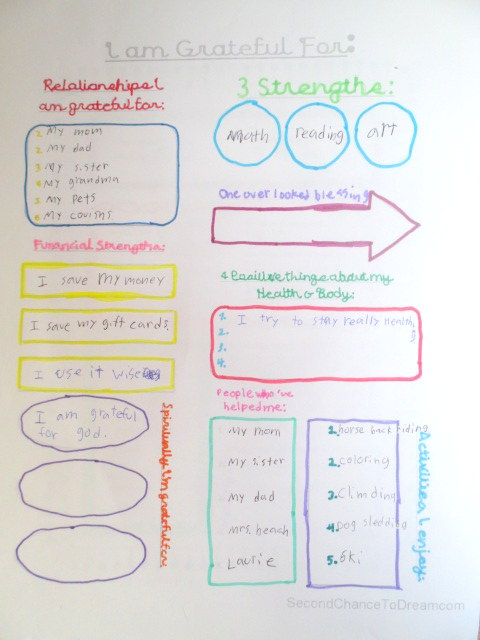
In 2014, Olivia used markers to decorate her journal page.


Some of the questions were easier to answer than others, so not all of the blanks are filled in.


Sophia also used markers to add some color to her journal pages.


There were a variety of pages that the girls could use for their journal - all with different prompts.


It's interesting going back on journals and seeing what the girls captured at various points in their lives.